
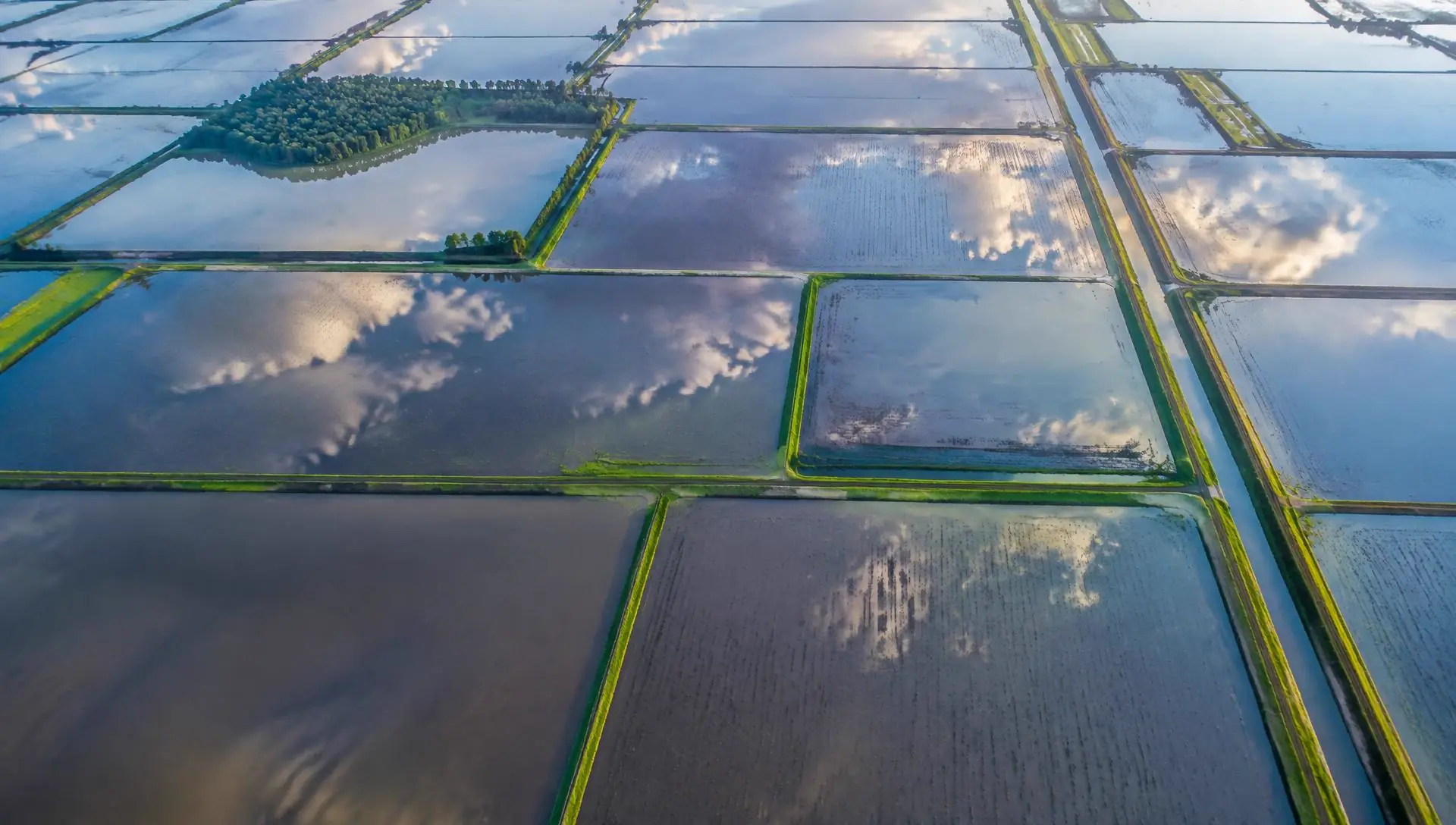
Why Farmland
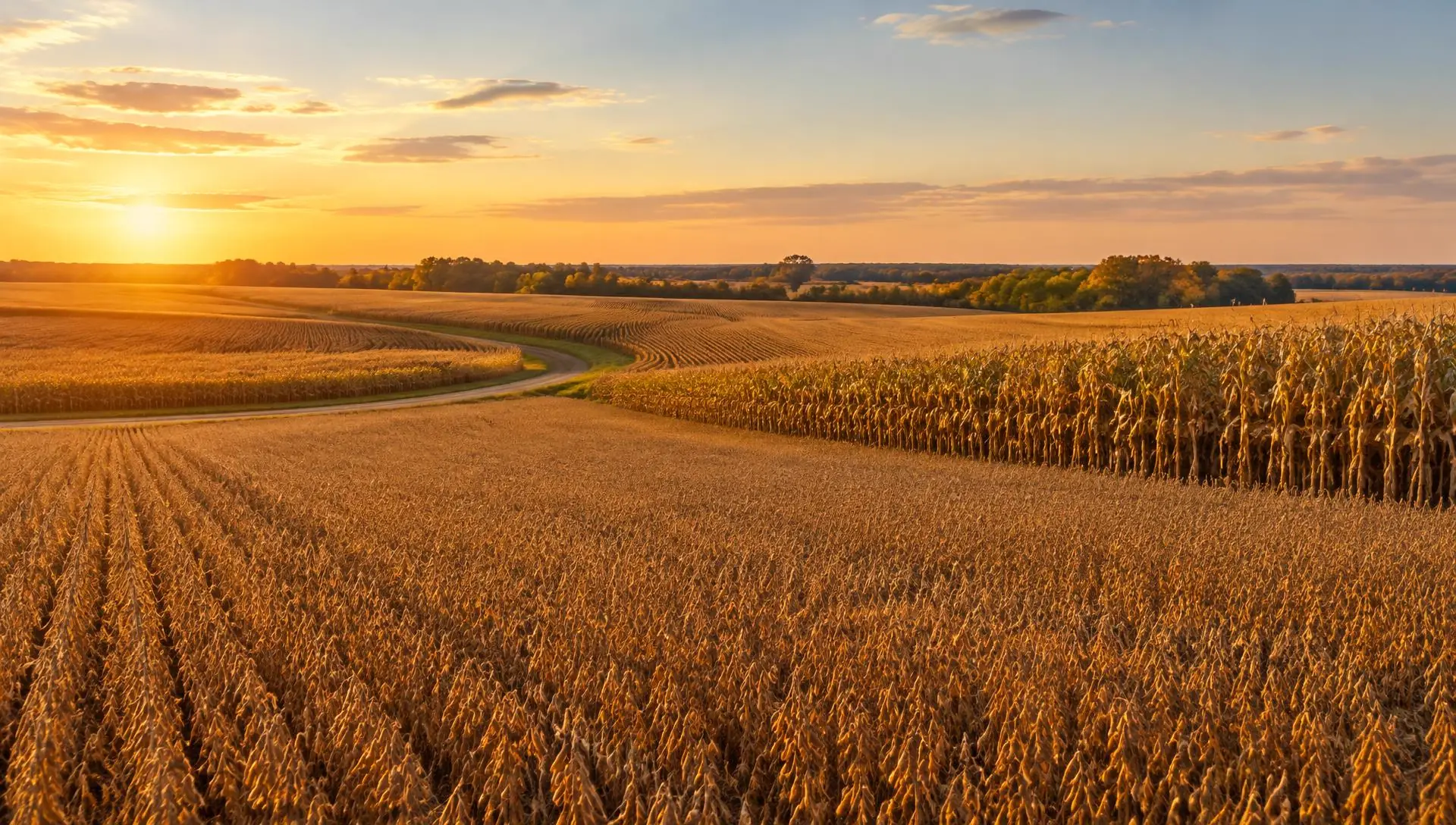
A FINITE, PRODUCTIVE REAL ASSET
The world cannot function without farmland, and no one can make more of it.
Scarce and Irreplaceable
U.S. cropland is fixed and slowly shrinking as development, conservation, and aridity take acres out of production each year. It cannot be manufactured, imported, or relocated.
Inflation Linkage
Farmland values have historically moved with inflation, and cash rents tend to adjust as crop prices change.
Portfolio Ballast
Farmland cash flows are tied to food demand rather than market sentiment, and farmland has historically shown low correlation with public equities and bonds.
Strategically Essential
As nations place greater priority on food and resource security, productive land in a stable, rule of law jurisdiction becomes increasingly strategic.
Farmland is the ballast that lets you carry more sail everywhere else.
The Opportunity
Farmland is one of the largest real asset classes in the United States, yet it remains a small part of most institutional portfolios.
Fragmented Ownership
Most U.S. farmland is held by individuals and families, and much of it will change hands in the coming decades.
Operational Complexity
Owning farmland well requires expertise in agronomy, water, operator relationships, and local markets that few investors have in house.
A Platform Built for It
Goldcrest was built to bridge that gap, giving institutional capital access to high quality farmland through disciplined acquisition and active management.
Rooted in the land.
Built for the long term.